

The Walleye: A Nocturnal Hunter with a Taste for Adventure
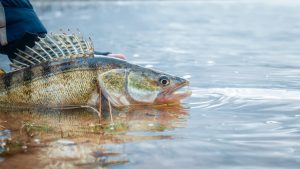
When you think of nocturnal creatures with mysterious ways, the walleye might not immediately come to mind. But this predatory fish, with its large, milky eyes that gleam in the moonlight, is as much of a nighttime hunter as the most elusive owl or fox. Known for its unique adaptations and mysterious feeding habits, the walleye is both a prized catch for anglers and a fascinating subject for wildlife enthusiasts. Whether you’re an experienced fisherman or a curious observer, the walleye’s behavior and lifestyle offer plenty of intrigue and insight.
A Nocturnal Predator with Daylight Ambitions
Walleyes are famous for their preference for feeding under the cover of darkness. Their large eyes, adapted to low-light conditions, help them navigate and hunt with remarkable precision in the evening and early morning hours. These fish are most active when water temperatures are below 70°F, often making them easier to find along the deep edges of shallow flats or in the calmer, slower-moving waters of rivers and streams.
However, despite their nocturnal tendencies, walleyes can be caught during the day as well. In fact, they may increase their feeding activity during overcast weather or when heavy clouds block out the sun. This increased feeding behavior during cloudy days makes the late spring to early summer period—just after spawning—the prime time to target these elusive fish.
Strategies for Successful Walleye Fishing
For anglers looking to reel in a walleye, understanding its behavior is key. Here are some tips that can help increase your chances:
- Early Morning and Dusk Are Prime Times: Walleyes tend to feed most actively during low-light conditions. Whether you’re fishing from the shore or from a boat, the early morning hours just before sunrise or the evening just after sunset are your best bets for success.
- Embrace the Cloud Cover: Walleyes can be found more actively hunting during overcast weather. The clouds reduce the amount of sunlight penetrating the water, making it more comfortable for these light-sensitive predators to forage.
- Adapt to River Systems: In rivers, walleyes avoid the strongest currents and prefer the calmer waters found in eddies, behind boulders, or near wing dams. These areas provide the perfect ambush spots for these crafty fish to lie in wait for prey.
- Follow the Food: Walleyes are also attracted to deep, calm pockets of water, especially in spillways and tailwaters. After spawning, mature walleyes wash out into these areas where the oxygen levels and food supply are abundant.
- Light Gear for Light Bites: Unlike bass or other aggressive species, walleye bites are often subtle. A light spinning rod can help you detect even the faintest tap or pull, ensuring you don’t miss an opportunity when it strikes.
The Walleye’s Unique Adaptations
Walleye fishing is not for the faint of heart; it requires patience, skill, and an understanding of this fish’s behavior. But for those who rise to the challenge, the rewards are worth the effort.
Sharp Eyes and Sharp Teeth
One of the walleye’s most fascinating traits is its vision. Walleyes lack blue and yellow cones in their retinas, giving them a unique visual perspective that helps them thrive in murky waters. They primarily perceive the world in shades of green and red—allowing them to spot prey more effectively in low-visibility conditions. It’s an adaptation that sets them apart from other fish and makes them top-notch hunters in their habitat.
However, their sharp teeth and dorsal fin spines are reminders that they are formidable predators, capable of capturing prey with precision. Anglers need to handle them carefully, especially larger specimens, to avoid injury from these sharp features.
Lifespan and Roaming Habits
While walleyes can live up to 20 years, the average lifespan is often closer to 10. Female walleyes generally grow larger than males and can weigh over 10 pounds, which makes them prime targets for anglers. Interestingly, these fish have been known to roam vast distances in search of food, sometimes covering up to 50 miles in a single night.
Their roaming behavior plays a large role in their ability to thrive in different environments. Walleyes are also known to travel from deep waters to shallow shores when food sources become scarce, or when the water temperature becomes too warm for their liking.
The Walleye’s Bountiful Reproduction
Female walleyes are incredibly prolific, with some laying up to 600,000 eggs annually. This high reproductive rate ensures that their populations remain stable, even in the face of environmental changes. While the species faces threats from habitat loss and overfishing, their ability to produce such large numbers of offspring contributes to their resilience in many waters across North America.
The Walleye’s Role in Ecosystems and Angling
While fishing for walleyes requires a certain level of expertise, understanding their behavior and unique traits can lead to a rewarding and successful experience. From their ability to navigate low-light environments to their strategic feeding habits, walleyes are a fascinating species that continue to captivate the imaginations of anglers and nature lovers alike.
For those who have the patience to fish for them, walleyes offer a challenge and a prize that is second to none—combining both sport and sustenance in one incredible fish. Whether you’re casting from a boat, standing on the shore at dawn, or waiting for a bite during an overcast afternoon, targeting a walleye offers a connection with nature that is both exciting and rewarding.
So, the next time you’re casting a line into a lake or river, think of the walleye—its sharp eyes, elusive nature, and nocturnal habits. And maybe, just maybe, you’ll be lucky enough to catch a glimpse of that glimmering gaze beneath the water’s surface.